Nitten Gokhaley
The Asian Dragon uses existing technology from industry leaders as a foundation to develop competitive products. China also plays a key role in supply chains. And this helps it gain access to designs and technical know-how.
Whether it is AI apps, social networking platforms, kids’ toys, smart phones, solar panels, batteries, or EVs, Chinese companies dominate every list. One formula has helped the Asian dragon to stay ahead. And that’s using existing technologies as a foundation to develop competitive products.
Copycats of almost everything
Dusty Kenny owns a firm called Prima Stella, and manufactures children’s products. The company’s silicone baby spoons are their best selling product on Amazon. It is sold for $ 7.99. But, Dusty was shocked to see a knockoff of her product being sold for $5.50 on Amazon, and for $3 to $4 on Alibaba as well as Shein. A little bit of research helped her understand how Chinese manufacturers copy designs, and then use America’s DeMinimis exception rule to ship products directly to consumers in the US. And that too, without paying duties and taxes.
Many Chinese factories allegedly sell knock offs of most ordered products online. Companies, mostly small businesses, have alleged that Chinese factories steal their designs and create these knock offs. Researchers refer to this concept as Innovation through Imitation.
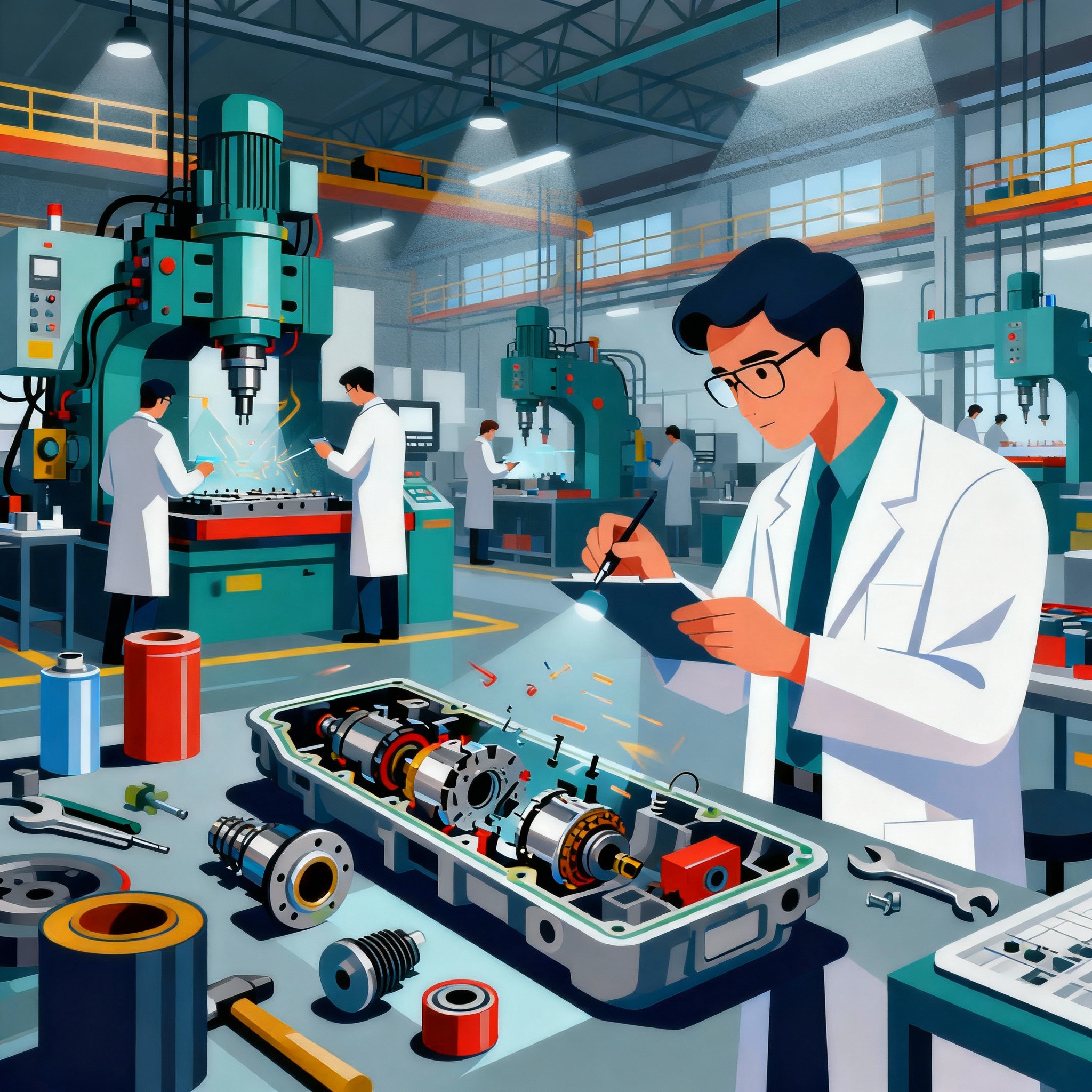
Do consumers benefit from buying such copies? Well, there are several disadvantages to buying such stuff. Items are not warehoused in the US. They are not photographed or quality checked. Products are shipped to consumers without any safety scrutiny.
And this approach is not limited to small items. Chinese firms are known to copy designs and technologies in other sectors as well. Xiaomi copied iPhone’s features and made them even better. China’s EV maker BYD openly used rip offs of Toyota and Ferrari designs in their cars in the past. China-based Hife Systems Ltd was accused of selling Tesla’s proprietary EV battery manufacturing system. And there are many more examples. Most brands go for mass markets. They manufacture at a larger scale and target budget conscious consumers.
China’s journey from a manufacturer to the sole supplier
Today, a majority of labels and tags on various products sold worldwide indicate they are ‘made in China 2025.’ But, why do companies prefer China as their manufacturing hub? Low taxes, low duties, low cost skilled workers, and lax labor laws are lucrative enough for firms across the world to set up a factory. Most importantly, China has an ample supply of raw materials, and advanced manufacturing infrastructure. So, this takes care of the entire supply chain. Firms form partnerships or joint ventures with Chinese manufacturers. Thanks to technology transfer, China gets access to designs, technical knowledge, and Intellectual Property (IP) as well. Such local firms leverage these insights further to produce their own products.
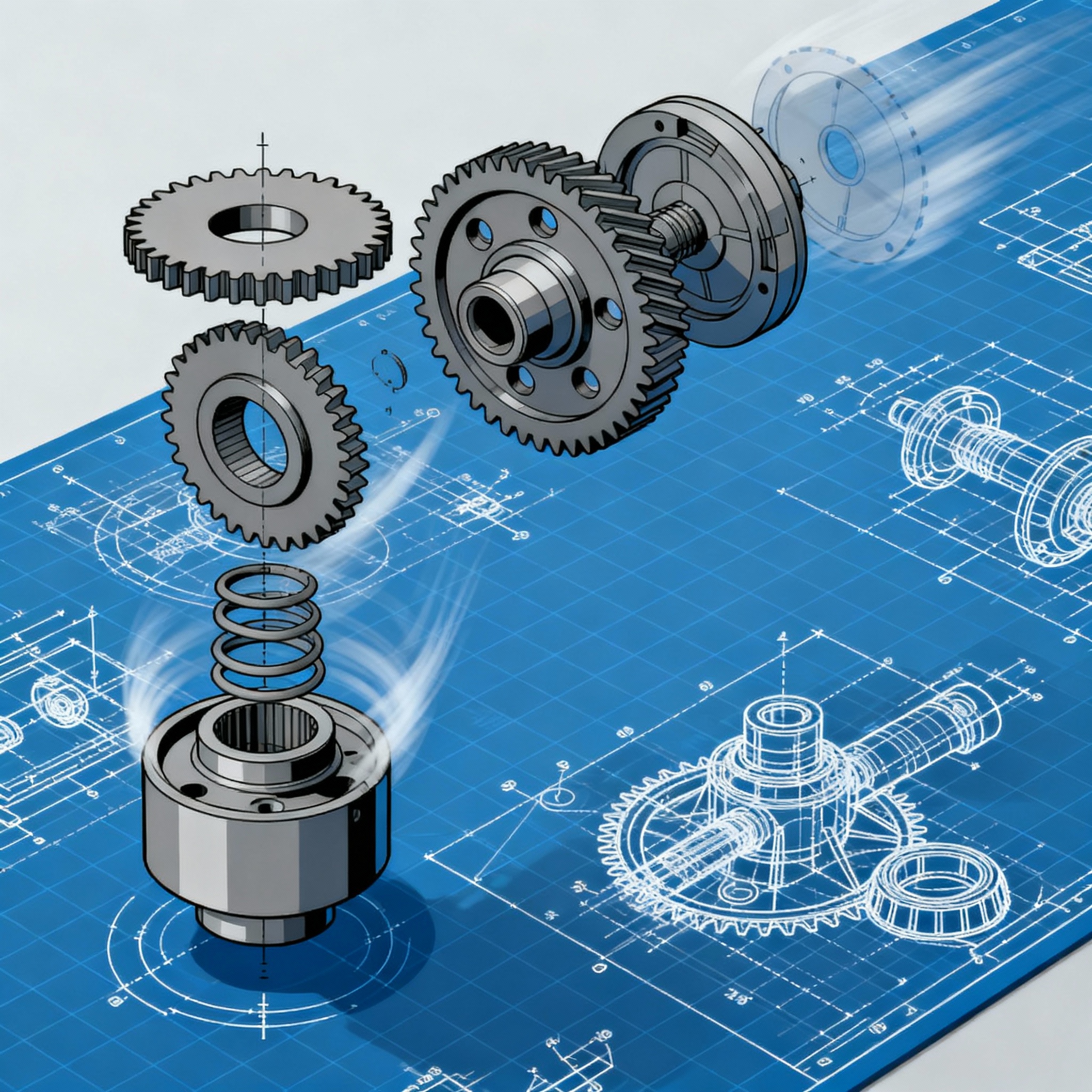
But how do Chinese companies get away with taking cues or inspiration from industry leaders? Does the law support reverse engineering in China? When it comes to design patents, making slight modifications can keep a product outside the legal scope. Minor tweaks can help differentiate products legally. Plus, it is evident from several cases that local firms have an advantage in Chinese courts.
Reducing global supply chain dependence won’t be easy
Today, big American companies like Apple and small firms like Prima Stella are almost completely reliant on China. They would need years to cultivate an ecosystem, technological competitiveness, and create a supply chain without China in the equation. The story in India is no different. Indian smartphone manufacturers use more than 60 percent of components imported from China as it is a sole global supplier. Even the glue used in connecting components comes from the neighboring Dragon Land. And it will take years of diplomatic relation building with other countries along with massive investments to reduce this reliance on China.
Need fresh content to engage your audience? Let Nitten help you with 100 percent human-written blog posts, articles, and press releases on a variety of topics at highly affordable rates. Don’t have a big budget for content? No worries, Nitten can still help! He can assist you with story ideas and getting the best content from AI tools like ChatGPT, Gemini, Co-Pilot, etc. Feel free to get in touch: nittengokhaley24@gmail.com
 Cyber Journal 24
Leave a comment